
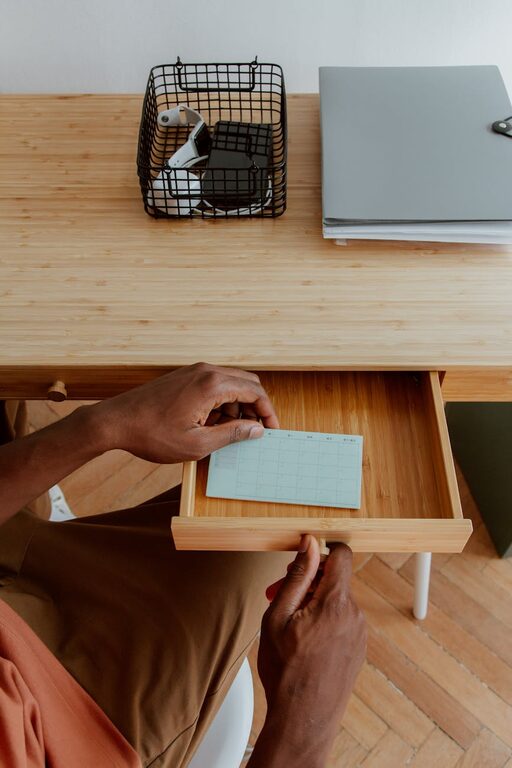
Living with piles of paper can make your home feel chaotic and overwhelming. Bills, receipts, mail, kids’ schoolwork, and random notes tend to accumulate quickly if not managed properly. The good news is that reducing household paper clutter doesn’t require drastic measures or expensive tools. By adopting a few simple habits and organizational strategies, you can significantly cut down on paper clutter and create a more peaceful, clutter-free environment.
In this post, we’ll explore easy and effective ways to handle paper clutter, suitable for any home.
Why Paper Clutter Happens
Before diving into solutions, it’s helpful to understand why paper clutter builds up:
– Incoming mail and documents arrive daily
– Difficulty deciding what to keep or toss
– Lack of organized storage systems
– Delayed action on bills and important papers
– Sentimental attachment to certain papers
By addressing these root causes, you can create lasting habits that keep your paperwork manageable.
Step 1: Create a Dedicated Paper Management Station
Having a central spot where all incoming papers go can prevent piles from forming all over your home. This can be a small table, a wall file organizer, or a filing drawer.
What to Include at Your Station:
– Inbox tray for all new papers like mail, school letters, flyers
– Outbox tray for items that need action (pay bills, sign forms)
– Shredder nearby for immediate disposal of junk mail or sensitive documents
– File folders or accordion files to sort papers by category
The goal is to handle papers as soon as they come in rather than letting them scatter.
Step 2: Regularly Sort and Purge Papers
Set aside time weekly or biweekly to sift through your paper station. Be honest about what you really need to keep. Here’s a quick sorting method:
– Keep: Important documents like tax returns, medical forms, warranties
– Action: Bills to pay, forms that need signatures
– Recycle: Junk mail, old magazines, outdated flyers
– Digitize: Receipts or documents you want to save without the paper clutter
Regular purging prevents accumulation and makes large cleanups less overwhelming.
Step 3: Go Digital Whenever Possible
Technology is your friend in the battle against paper clutter. Many organizations offer electronic statements and bills, which can save paper and space.
– Opt for e-statements from banks, utilities, and credit card companies
– Use apps or scanners to digitize receipts, warranties, and important papers
– Organize digital files with clearly labeled folders on your computer or cloud storage
– Backup important documents to avoid losing data
By reducing physical copies, you decrease the volume of papers in your home dramatically.
Step 4: Create a Simple Filing System
Even with digital records, some paper documents need to be kept physically. A simple, intuitive filing system makes retrieval easier and clutter less likely.
Tips for an Effective Filing System:
– Use labeled folders or binders sorted by categories like “Bills,” “Taxes,” “Medical,” “School”
– Keep files accessible but out of sight to minimize visual clutter
– Purge files annually, keeping only the documents you truly need based on recommended retention periods
– Color-code files if that helps you find things faster
A well-maintained filing system reduces stress and saves time.
Step 5: Manage Kids’ School Papers
Children’s artwork, homework, and school notices often add to paper clutter. Here’s how to streamline:
– Designate a display area for recent artwork or important notices
– Rotate displayed items regularly and store favorites in a portfolio or photo album
– Scan or take photos of sentimental pieces to keep digitally, then recycle the originals
– Create a folder or box for permission slips and forms to be handled immediately
This approach honors your child’s work without drowning in paper.
Step 6: Limit Incoming Paper
Taking steps to reduce the amount of paper entering your home is just as important as managing what you already have.
– Register with services like the Do Not Mail List to stop unsolicited mail
– Unsubscribe from catalogs and newsletters you don’t read
– Ask for receipts by email if the option is available at stores
– Encourage family members to minimize printed documents and switch to digital
Being proactive helps prevent clutter before it starts.
Step 7: Use Shredding and Recycling Smartly
Sensitive information should never be tossed in the trash. Have a shredder handy or find a local shredding service for old financial documents.
– Shred outdated personal papers promptly to avoid security risks
– Recycle junk mail and non-sensitive papers regularly
– Encourage everyone in the household to participate in recycling efforts
Proper disposal keeps your paper clutter manageable and your personal information safe.
In Conclusion
Reducing household paper clutter is achievable with small but consistent steps. By creating a paper management station, regularly sorting through documents, embracing digital options, and being mindful of what enters your home, you’ll transform your living spaces into calmer, more organized places.
Start with one or two strategies today and build habits that support a tidy, paper-light environment — your future self (and your home) will thank you!